Reproduction
Eelgrass Reproduction Affects Genetic Diversity
Like all seagrasses, many plants, and some animals, Zostera marina is capable of reproducing both sexually and asexually. In Z. marina , a sexual reproduction occurs vegetatively, via the production of new shoots from a horizontal rhizome. Sexual reproduction occurs when the male gamete (sperm, contained in the plant’s pollen) fuses with a female gamete (the egg or ovule, contained in the ovary of a flower) and the resulting zygote develops into a seed. A new shoot that germinates and grows from a seed will have its own unique genotype, while new shoots that are produced vegetatively will all sharethe same genotype. Ecologists use the terms ‘ ramet ’ and ‘ genet ’ to differentiate between the physiological individual and the genetic individual: individual Z. marina shoots are ramets, while the genet refers to all the ramets that developed from one seed. Because you can’t just count the number of genotypes present in a meadow by counting shoots (the same way you could if we were studying zebras, for example), we use molecular genetic techniques to determine which shoots are clonemates, and how many different genotypes are present.
Why care about eelgrass diversity?
[CYN - NEED TO WRITE.]
Flowers and Plant Sex
Flowers are the reproductive organs of angiosperms. The transfer of pollen from the male bits of flowers (the stamen) to the receptive female bits of flowers (the stigma ) is called pollination , and pollination is necessary for sexual reproduction to occur. On land, many angiosperms have evolved complex mutualistic relationships with animals (e.g., birds, insects, bats) that act as vectors of plant gametes; animal - pollinated plants often have big showy flowers with brightly colored petals to attract and reward their pollinators (e.g. with nectar or extra pollen). Other angiosperms produce flowers that are more subtle. For example, the flowers produced by grasses lack petals entirely – grasses produce copious amounts of pollen and rely on the wind (and luck) to disperse it from plant to plant.
Pollination in the Sea
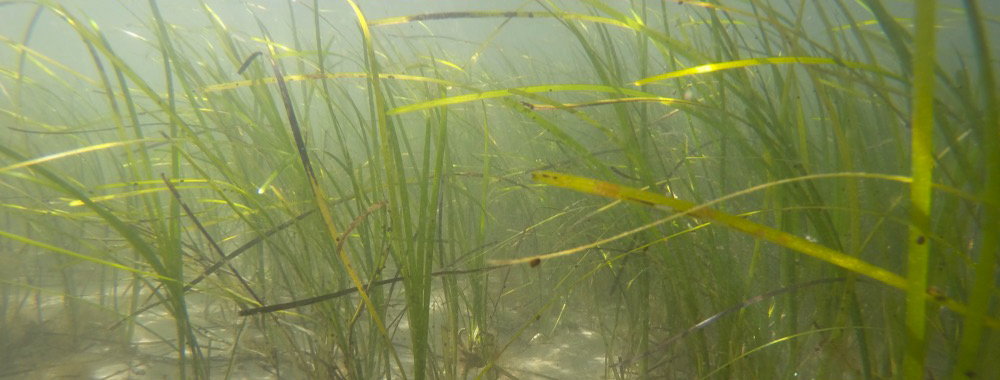
Seagrasses are typically thought to rely only on water motion for pollination (but see this cool paper). Z. marina pollen is long and stringy, and is dispersed from one plant to another on tides and currents. Each flowering shoots produces multiple inflorescence that each contain separate staminate and pistillate flowers. The female flowers mature and open before the male ones; this prevents self - pollination (selfing) from happening within a given inflorescence. However, because different inflorescences on the same shoot mature at different times, pollen can still move between inflorescences; self - pollination can also happen if pollen moves between flowers produced by different flowering shoots from the same genet!
Self-fertilization means that both of the two gametes needed to make a zygote came from the same genetic individual… but selfing is still sexual reproduction, not asexual, and the offspring produced by self-fertilization are not clones of their parent. Selfed offspring will still be different from each other and their parent, because meiosis can create many different haploid genotypes out of one diploid parental genotype.
Genetics of reproduction
Two processes during meiosis contribute to the diversity of gametes a given genotype can create: independent assortment of chromosomes , which refers to the fact that the chromosomes that were inherited together (all the chromosomes that you inherited from your mother, for example) don’t stay together during meiosis – one chromosome from each homologous pair ends up in each gamete, but which one is random. Another process that generates variation among gametes is crossing over between homologous chromosomes during prophase 1 of meiosis. The physical location of coding regions (genes) on a chromosome will affect the likelihood that they are separated via a crossing over event. Two genes that are close together on the same chromosome are considered linked – they will tend to be inherited together, and not assort independently.]